MENU
SG | SGD

SG | SGD
-
- All Centrifuges
- Benchtop Centrifuges
- Floor-Standing Centrifuges
- Refrigerated Centrifuges
- Microcentrifuges
- Multipurpose Centrifuges
- High-Speed Centrifuges
- Ultracentrifuges
- Concentrator
- High-Speed and Ultracentrifuge Consumables
- Centrifuge Tubes
- Centrifuge Plates
- Device Management Software
- Sample and Information Management
-
- All Pipettes, Dispensers & Automated Liquid Handlers
- Mechanical Pipettes
- Electronic Pipettes
- Multi-Channel Pipettes
- Positive Displacement Pipettes & Dispensers
- Pipette Tips
- Bottle-Top Dispensers
- Pipette Controllers
- Dispenser & Pipette Accessories
- Automated Pipetting
- Automation Consumables
- Automation Accessories
- Liquid Handler & Pipette Services
Sorry, we couldn't find anything on our website containing your search term.
Sorry, we couldn't find anything on our website containing your search term.
Forensic
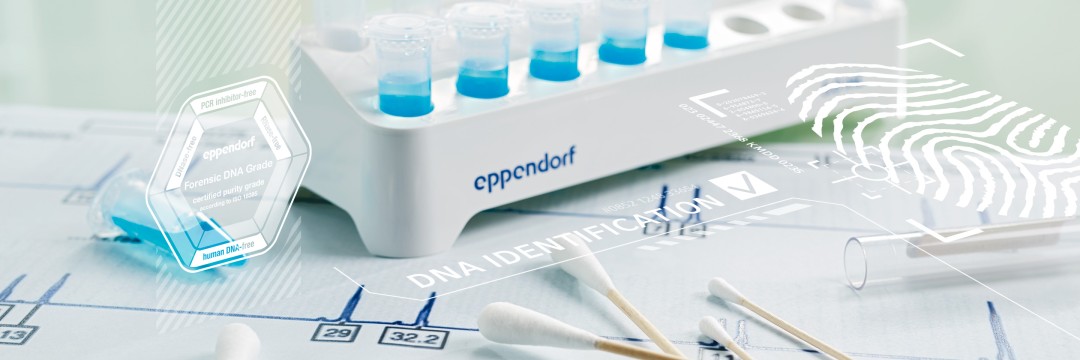
The Art of Forensic Sample Preparation
Read more
Read less
Difficult Samples
Forensic sample preparation often deals with the most difficult specimens to process. The samples typically limited in quality and quantity, can be environmentally exposed, and may require purification from difficult substrates that contain PCR inhibitors. Obtaining accurate results from difficult samples is one of many everyday challenges in forensic sample preparation. Forensic scientists also face intense regulatory requirements, increasing throughput demands and limited resources.
How the right consumables can help you
Even smallest traces of DNA contaminants could lead to false results. Avoiding contamination during forensic sample preparation is as important as the use of contamination- free reagents and consumables, e.g. tubes and pipette tips. Continual quality control including the qualifying of materials used in the workflow significantly contributes to the certainty of results.
Forensic science plays a crucial role in our legal system with life-changing decisions often based on forensic data. It is a unique scientific discipline that faces unique challenges. Forensic samples are often the most difficult specimens to process. They are typically limited in quality and quantity, can be environmentally exposed, and may require purification from difficult substrates that contain PCR inhibitors. Extensive sample preparation is also required with DNA analysis. Obtaining accurate results from difficult samples is one of many everyday challenges in forensics. Forensic scientists also face intense regulatory requirements, increasing throughput demands and limited resources.
Read more
Read less
Videos not loading, because cookies have been rejected. Change your